
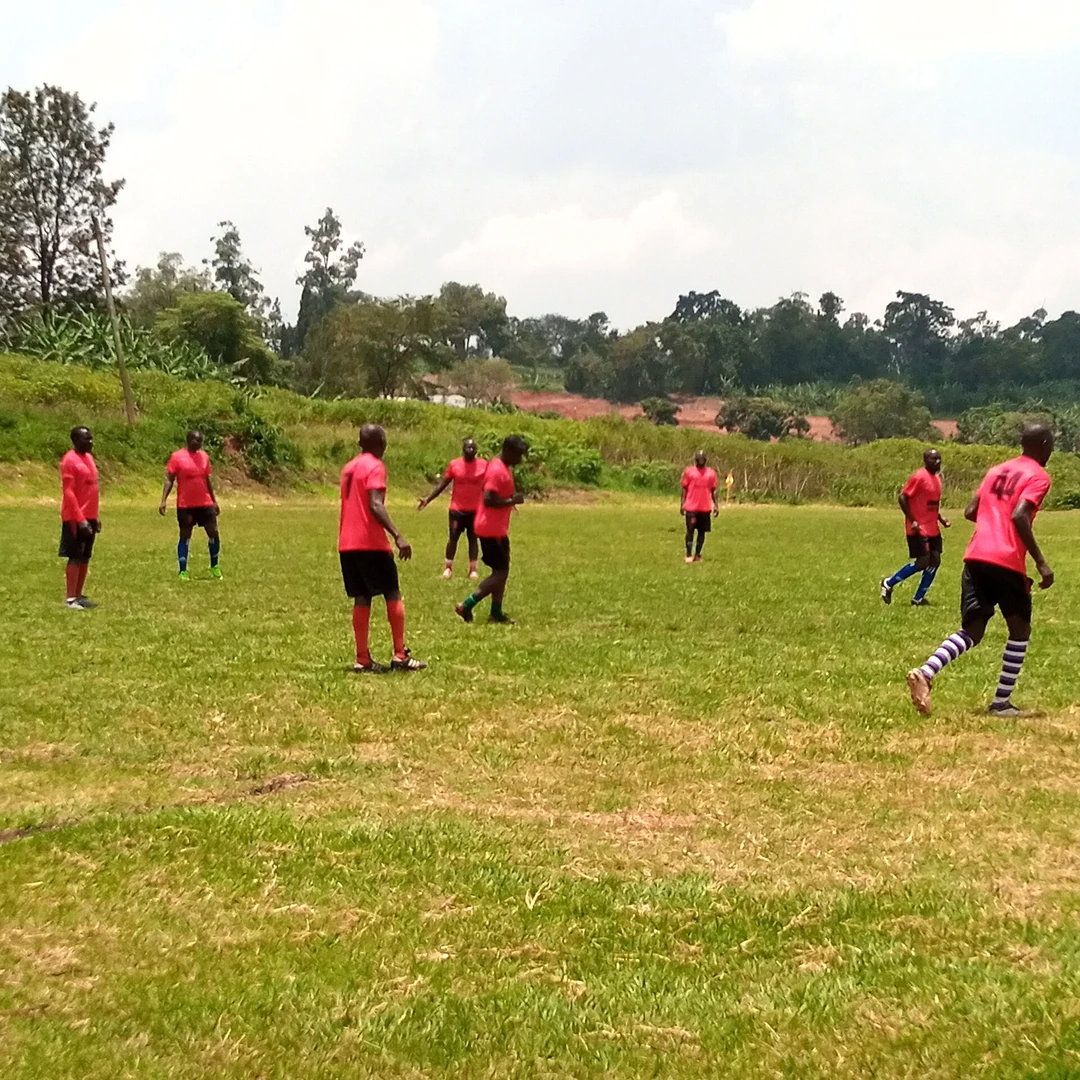
Movement can be part of general wellbeing, while prolonged sitting can be uncomfortable for some people with pelvic symptoms. The useful question is what pattern you observe, not whether one exercise “fixes the prostate.”
Map a normal day
Note your longest sitting blocks: commuting, desk work, gaming or travel. Add short timestamps for when symptoms become more noticeable.
Keep activity gradual
If you have been inactive, a sudden hard training programme can create new muscle soreness that confuses your symptom picture. Gentle, progressive activity is easier to interpret.
Pelvic-floor care is individual
Some people are referred for physical therapy or myofascial techniques as part of chronic pelvic pain care. Generic internet instructions are not a substitute for assessment, because not every pelvic-floor problem is the same.
Stop and seek help when needed
Exercise is not the right response to acute fever, chills, inability to urinate, visible blood in urine or severe pain.
Sources and scope
This guide is educational and is not a diagnosis or treatment plan. See our source notes and medical disclaimer.